
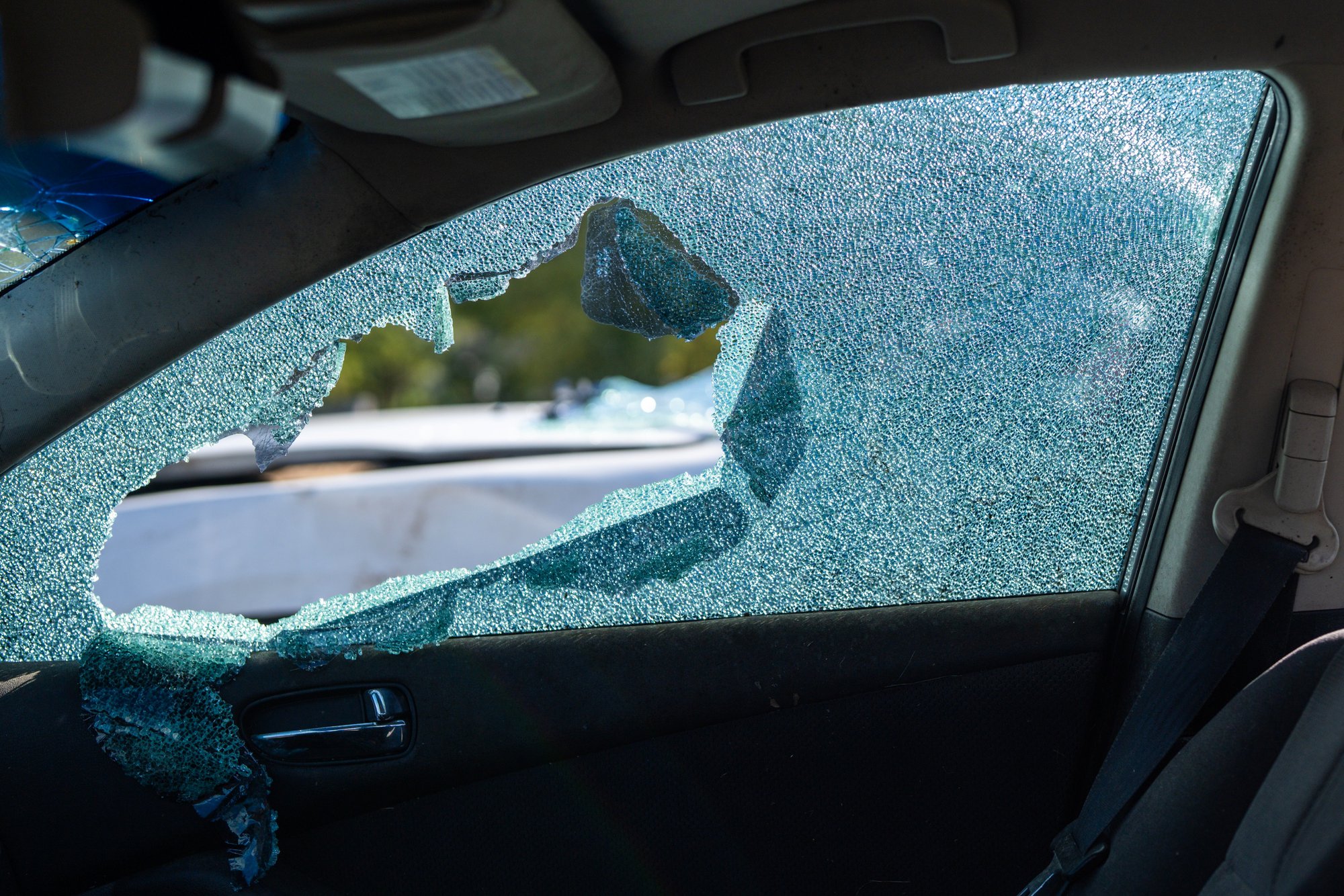
When a business is burglarized or vandalized, it can cause significant financial and emotional impact, as well as operational disruption. Filing an insurance claim is an important first step toward putting the incident behind you and getting back to business as usual. But to recover fully, your business must be able to demonstrate what it owned, what happened to it, how much it will cost to repair or replace it, and, where applicable, what additional losses resulted from the disruption. The more significant the claim, the more important that evidence becomes.
Review Your Policy
Before filing your claim, carefully review your policy to understand your coverage. Commercial property insurance or business owner policies (BOPs) generally cover direct physical loss or damage to insured property caused by covered perils, which typically include vandalism and theft. Depending on the language, your policy may cover buildings, furniture, equipment, other contents, and outside structures such as fencing and signage. Coverage, however, is subject to the policy terms, limits, exclusions and deductibles.
Immediately Following the Incident
Promptly report the incident to law enforcement and retain the police report and any related documentation. Also, as soon as possible, put your insurance company on notice that you will be filing a claim, since insurance companies have strict requirements for timely notice.
Preserve surveillance footage, alarm records, access logs, photographs and other evidence that may establish when and how the loss occurred. If employees or other witnesses observed the incident or discovered the damage, retain a record of their accounts with their contact information.
Do not discard damaged property simply because it appears worthless. Insurance companies typically require policyholders to preserve damaged property for inspection. If damaged property must be removed for safety or operational reasons, photograph and document it thoroughly before moving it.
With a vandalism claim, ensure that evidence such as smashed windows, spray-painted walls or damaged equipment is photographed or videotaped before repairs are made. Create an itemized list of what was damaged and the cost of restorations.
In the case of theft, create an itemized list of what was taken as soon as possible. Identify each item, its make and model, serial number if available, approximate purchase date, original cost and current replacement cost. Gather invoices, receipts, inventory records, photos, maintenance records and other documentation that establishes ownership and value.
Prove the Value of Your Losses
Submit your itemized list of losses with supporting evidence to the insurance company, and retain a copy for your records. One of the most common sources of property claim disputes is valuation. An insurer’s adjuster will likely prepare an estimate of the damage and/or the value of the stolen property. Carefully scrutinize the insurer’s estimate versus your own evidence. Where repairs or reconstruction are required, obtain your own estimates from qualified, licensed contractors.
For larger or more complicated claims, it may be advisable to work with a public adjuster, who can help you quantify your losses. An experienced insurance attorney can also help you interpret ambiguous policy language and maximize your claim by ensuring that all eligible losses are properly included and documented. Further, if the insurer challenges, limits or denies your claim, an experienced attorney can help evaluate whether the insurer’s position is consistent with the policy language, the available evidence and the law.
Replacement Cost vs. Actual-Cash Value
Depending on the policy language, the insurance company may value your losses based on “actual cash value” or “replacement cost.” Every policy is different, but commercial property policies typically reimburse for losses to physical structures based on replacement cost, which generally means the cost to repair or replace damaged property with property of similar kind and quality at today’s prices. By contrast, contents are typically reimbursed based on their actual cash value, which takes depreciation into account and reflects the property’s value immediately before the covered event. For instance, a five-year-old laptop that cost $2,000 when you purchased it new would likely be valued at significantly less than $2,000 under an actual cash value calculation.
Account for the Business Interruption
Many businesses have business interruption coverage bundled into their commercial property or BOP insurance. If vandalism or theft temporarily interrupts your operations, you may be entitled to reimbursement for lost revenue during the period of disruption. You may also be reimbursed for reasonable expenses that you incur in order to continue operating during the downtime, such as moving to a temporary location. The policy can be used to pay for operating expenses and fixed costs, such as payroll, rent payments, mortgage payments and utilities. The amount you are entitled to is calculated based on your company’s financial history, up to the policy limits. To maximize coverage, you will need to demonstrate the amount of income your business lost and the extra expenses you incurred as a result of the incident. This requires gathering financial records, such as tax returns, profit and loss (P&L) statements, balance sheets, payroll records, mortgage statements or lease agreements, and utility bills, as well as receipts or other evidence of extra expenses.
Summing It Up
If your business is impacted by theft or vandalism, a well-documented insurance claim can put you on the path to financial recovery. By understanding your coverage and the claims process, carefully gathering thorough evidence and satisfying the insurer’s obligations, you can put yourself in the best position to recover fully under the policy.
If your business insurance company has denied or is challenging your claim, contact Schwartz Conroy & Hack, PC. We have the expertise, experience and tenacity to make insurance companies keep their promises to you and your business.